Bathtub repair, refinishing, restoration, & more since 1980
The shocking truth – Is it bathtub refinishing or reglazing?
Is it called refinishing or reglazing?
No practical difference exists between refinishing and reglazing - the terms convey the exact same meaning to the consumer; painting a bathtub.
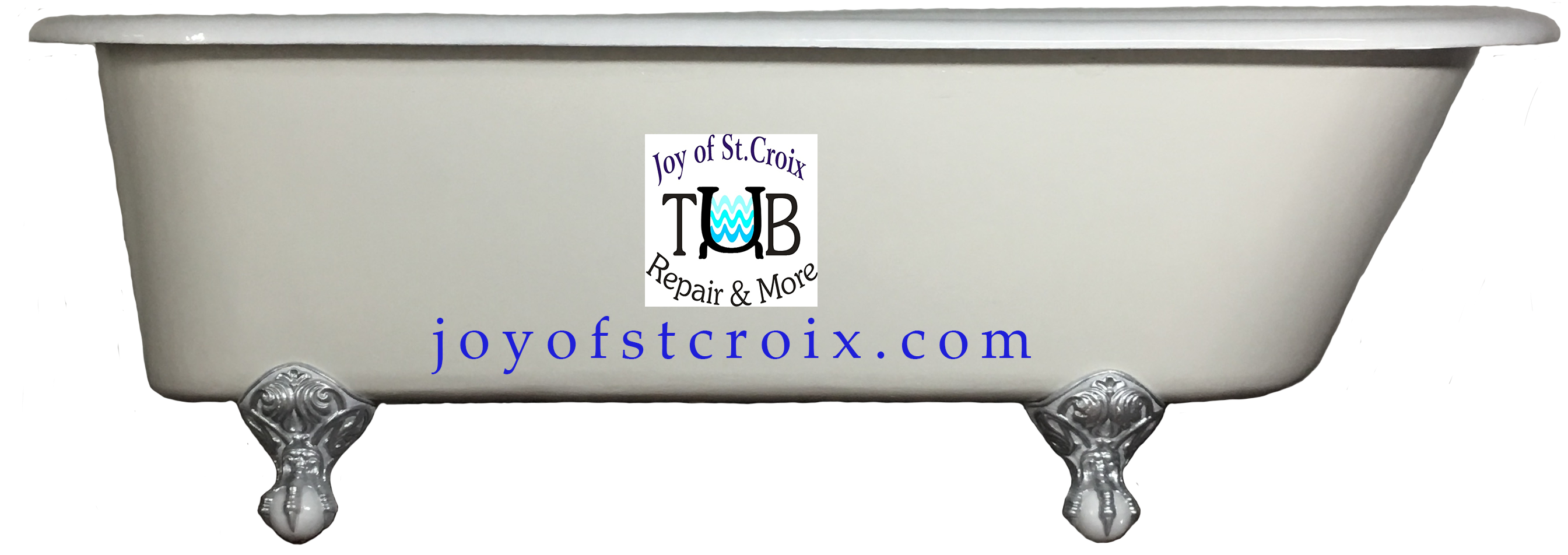
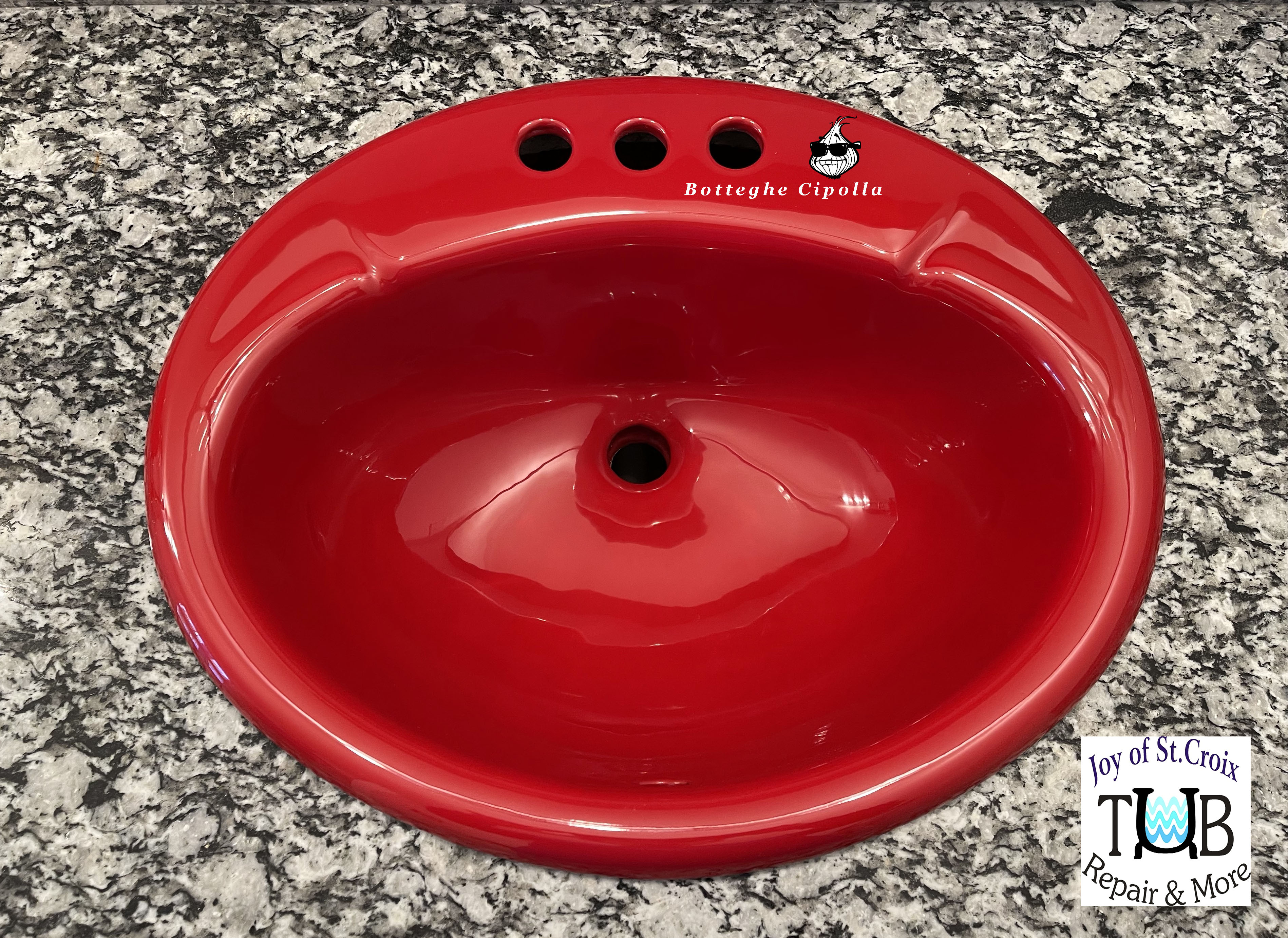
Joy of St Croix sands and polishes all bathtub refinishing projects to produce a mirror like reflection
Three types of Refinishing
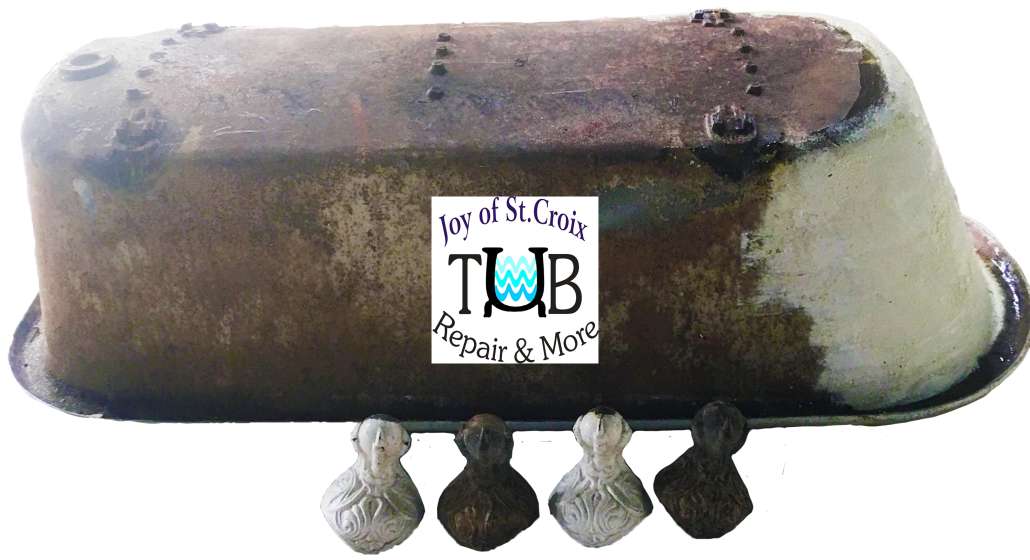
Joy of St Croix - Tub Repair and More offers three particular types of refinishing projects that require slightly different materials and techniques: bathtubs and shower units, bath tile, and restoration of antique farm sinks and clawfoot bathtubs.
Comparing Offers on Bathtub Refinishing
What are your expectations?
What final product are you paying for?
Are you being overcharged?
Think very carefully before you choose a company based on low price, you might get stuck with a high replacement cost.
Refinishing a fiberglass or acrylic composite bathtub or shower is a one shot deal because the chemicals used to strip the paint off will destroy the unit. You have one chance to do it right.
It's a terrible thing for us to have to tell someone who chose a lower priced company that we can't fix what the other company left them with. Compare offers and take notes.
offer and acceptance are the essential ingredients of a contract
Click here for a guide to comparing offers for bathtub refinishing...or reglazing or whatever you want to call it.
What's the difference between recoating, resurfacing, refinishing, and reglazing a bathtub?
What's the difference between recoating, resurfacing, refinishing, and reglazing a bathtub?
No practical difference exists between the terms "refinishing" and "reglazing" - they both convey the exact same meaning to the consumer, i.e., reapplying a protective coating to a bathtub.
A bathtub is constructed of metal that rusts or fiberglass that absorbs water. A protective coating is applied to prevent degradation of the structure and allow for hygienic cleaning. The protective coating is called the "finish" because it's the last step in production before the surface can be used as intended; the process is finished. If the coating is damaged, a new finish needs to be applied; it needs to be "re-finished".
To "glaze" comes from the word "glass" and means "to create a smooth glassy-like surface"; like a donut with a shiny coating...a "glazed" donut. Porcelain coatings have a paper thin layer of glass called a "glaze". When a bathtub's smooth and hygienic surface is no longer smooth and hygienic, regardless if it's porcelain or gelcoat, a new "glaze" needs to be applied; it needs to be "re-glazed".
However, since the 14th century, "glazing" has typically referred to cutting, installing, and removing the glass in windows done by a "glazier". Advertising in the yellow pages cost money, and each category you advertise in costs more money. Since customers were more likely to look under "furniture refinishers" or "appliance refinishers" to have their bathtub "refinished", the term "tub reglazing" was pretty much abandoned except as a marketing tool by those who could afford to advertise in multiple areas of the yellow pages to be in front of as many customers as possible.
Whether you want to call it refinishing or reglazing, Joy of St Croix - Tub Repair and More sands and polishes the coatings we apply on bathtubs to a mirror-like reflection - every time.
Joy of St Croix sands and polishes all bathtub refinishing projects to produce a mirror like reflection
Comparing Offers for Bathtub Refinishing
a guide for consumers comparing offers for bathtub refinishing. by Joy of St Croix
page 1 of 3
OK, so…you need a bathtub refinished or reglazed or whatever it’s supposed to be called, and you pull out your phone and look up “bathtub refinishing or reglazing or whatever you call it”. You scroll for a bit… You like a company’s name so you follow the links that lead you to decide to contact the company. ~ You can afford their price, ~ they have a warranty, ~ they have 100 years of “combined experience”, ~ they can do it next week BAM – your research is done.
What could possibly go wrong?
Whatever happens next, nightmare or dream, is the best you can expect… because all you expected was a bathtub to be painted for an agreed on price by a person with “100 years of combined experience”. With expectations like that you might get exactly what you pay for.
Is bathtub refinishing worth it? Can you answer these questions?
1 – What are your expectations? 2 – What is the tub refinisher actually offering? 3 – Are you being overcharged?
What are your expectations? …are they realistic?
What did you expect – no, really – what did you expect?
Do you have unrealistic expectations? For some strange reason, a child will always be shocked and disappointed that the ice cream is in a one ounce plastic container with a waxed paper pull tab and a wooden spoon instead of homemade ice cream with fresh fruit in a waffle dish. That’s an unrealistic expectation. On the other hand, when an adult orders what they expect is a full sized Turkish rug and instead they receive a one dollar novelty item, I feel compelled to ask: How much did he pay for the rug…and the cost for shipping a heavy full sized rug? For the price he was paying, what should he have expected? Was it an unrealistic expectation?
If you’re comparing offers for tub refinishing then you already have some expectations, perhaps even subconsciously; but where did you get those expectations from? Are those expectations an average of the information you gathered in your search or are you expecting different levels of service from select companies? What are your realistic expectations for bathtub refinishing in your home?
Expectation # 1 – The Finish
a smooth, mirror-like reflection on a bathtub’s finish is more hygienic, easy to clean and keep clean.
What do you expect a newly refinished bathtub to look like?
The most obvious aspect of a newly refinished bathtub is the finish, but what exactly are you expecting it to look like – a new bathtub or a newly painted bathtub? Do you expect the finish to be “shiny” like how oil on a sidewalk is shiny or how a new penny is shiny? How about reflections? Should the finish just reflect light, or should it reflect images, too? How about dust in the painted finish? Should there be any dust? What about drips, runs, or sags in the painted finish? What is not so obvious about the finish on a bathtub is its purpose – hygiene. The bathtub is a tool to help keep you clean, and you need to clean your tools to maintain their functionality. A smooth to the touch finish is easier to clean than a rough surface where dirt, soap scum, and mineral deposits collect. If a company does not specifically state, in writing, that your finish will be sanded and polished to a mirror-like reflection then you should not expect a mirror-like finish. That would be an unrealistic expectation.
Will Joy of St Croix – Tub Repair and More produce a mirror-like reflection on my newly refinished bathtub?
Joy of St Croix – Tub Repair and More sands and polishes the bathtubs they refinish to produce a mirror-like reflection. This process is labor intensive and takes an additional 6 – 8 hour day.
Joy of St Croix sands and polishes all bathtub refinishing projects to produce a mirror like reflection
Expectation # 2 – The Caulk
Caulk is critical to the lifespan of both the bathtub’s painted finish and the wall. The most important and overlooked aspect of caulk is that it has a limited lifespan – meaning it has to be maintained if you expect it to last and be hygienic.
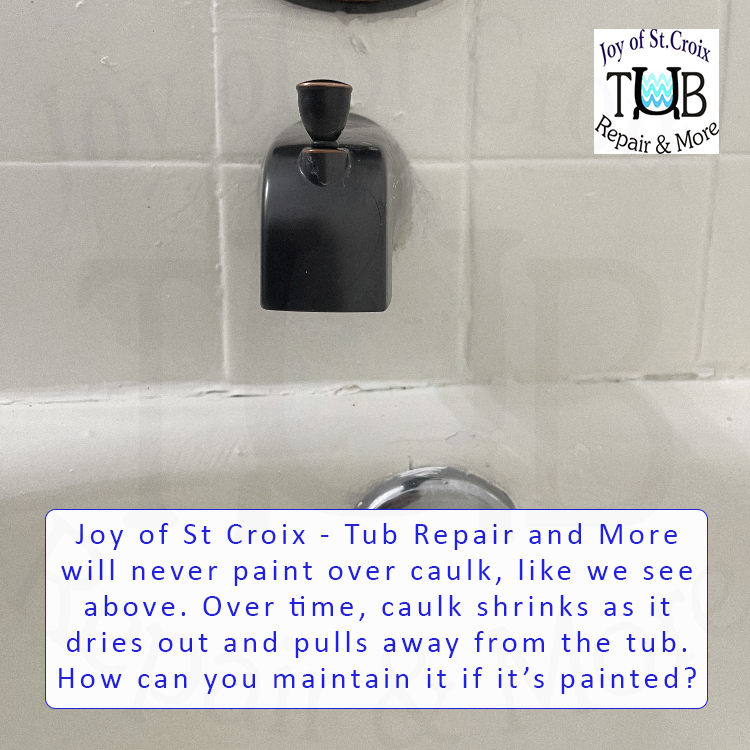
Do you expect the caulking to be painted over?
Caulking acts as a water seal and an expansion joint. As it gets old it gets hard and loses its flexibility. It shrinks and pulls away from the tub and the wall forming cracks that will allow water in. Water allows bacteria to degrade the edges of the bathtub’s paint. At the same time, the wall degrades with mold and mildew. Besides regular cleaning, you should expect that you will need to repair or replace your caulking at least two to three times in the lifespan of a tub or shower that gets residential family use. If it’s painted over how are you expected to do that?
What will Joy of St Croix do about the caulking?
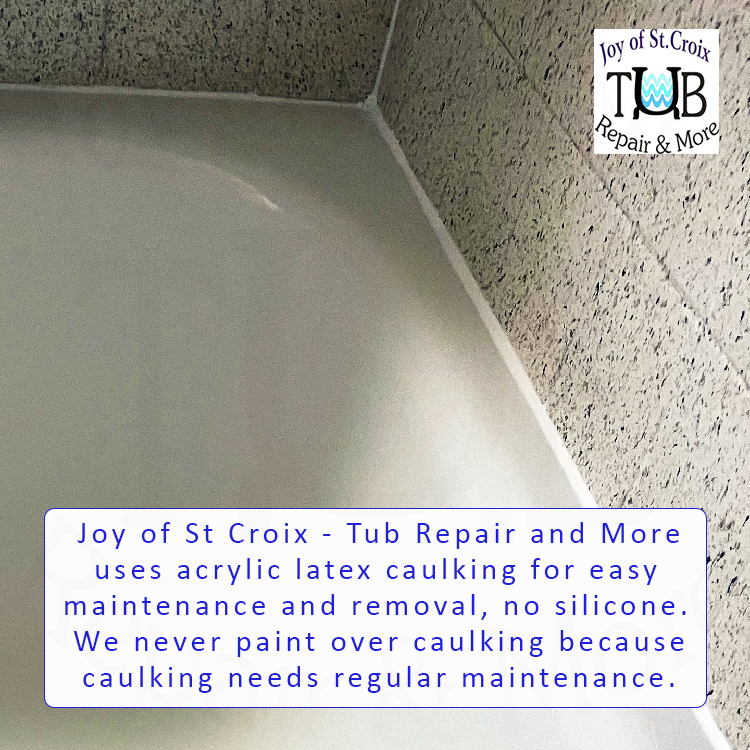
Joy of St Croix – Tub Repair and More never paints over caulking. At the beginning of the project the caulking is removed and the remaining void where the caulking was is thoroughly cleaned out of debris and gunk. The bathtub surface that was covered by the caulk is treated for proper adhesion of the new coatings. The next day, after the new coating is dry, new acyrlic latex caulk is installed. We use acylic latex caulk with Microban rather than silicone for ease of maintenance and repair.
Expectation # 3 – The Drain
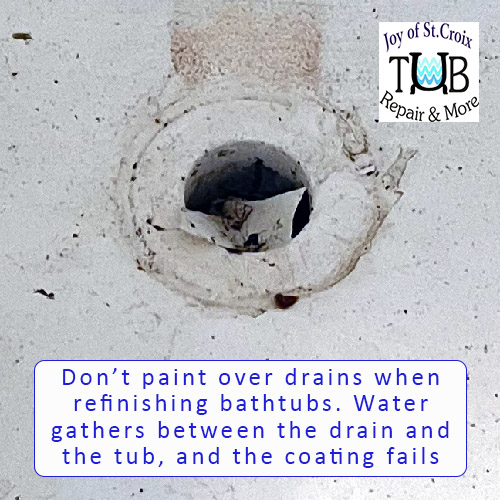
The drain is the weakest spot on a refinished bathtub and is the most likely place for the paint to fail because standing water collects around the circumference of the drain basket. If the newly refinished coating’s edge meets the circumference and works its way under the paint. Paint is weakest where it stops or where it doesn’t have a properly prepared surface to adhere to. If a bathtub refinishing company doesn’t remove the drain before painting the bathtub, then the drain area of the bathtub isn’t being painted…or cleaned or etched or primed or painted. Whether the drain is masked off or painted over or the gap between the drain basket and the tub is filled and caulked, it doesn’t matter – that is the edge of the coating. Water collects around the circumference of the drain basket and works its way under the paint. Bacteria grows in those crevices and begins to degrade the paint making it brittle. Little by little the edges of the paint chip and flake and the coating begins to fail. The solution to this is to prevent water contacting the edges of the paint by covering it with the drain basket. The drain should overlap the paint to create a seal – any other method is creating a seam that can separate and create an edge for water to collect. Joy of St Croix – Tub Repair and More process is to remove the old drain basket, refinish the bathtub, and install a new drain basket. The take-away is this: “The drain is the weakest spot on a refinished bathtub and is the most likely place for the paint to fail”…
Do you expect the drain to be painted over? (on your newly refinished bathtub)
The average bathtub refinishing company will paint over the drain because it saves time and material.
Do you you expect a fake drain cover to be glued on? (onto your newly refinished bathtub)
Some companies will claim that they’re installing a brand new drain basket when all they’re doing is gluing a cover on. This is actually worse than simply painting the drain basket because there is more areas for water to gather and bacteria to grow.
Do you expect a brand new drain? (with your newly refinished bathtub)
Joy of St Croix does not paint over drains nor do we glue fake covers on. Joy of St Croix – Tub Repair and More will remove the drain basket, remove any rust, and repair damage to the drain area if required. Repair charges may apply if the damage to the drain area is a published repair service. Repair services in conjunction with refinishing services may be eligible for a discount; repairs that are not eligible are those that extend the project to another day, e.g., floor and drain rebuilding .
After the refinishing process is completed a new drain basket will be installed. The drain basket to be installed will be new and non-used; it will be chrome plated with a solid brass body in a push/pull style.
Should you expect a refinished bathtub to have a mirror-like reflection?
Joy of St Croix – Tub Repair and More sands and polishes our refinishing projects in order to produce a mirror-like reflection. You should only expect a mirror-like reflection from bathtub refinishing if the company you hire specifically states that you should expect that feature from their service. Important – To produce a dust free and smooth to the touch finish with a mirror-like reflection requires sanding and polishing when the coating has dried.
Should you expect a refinished bathtub have new caulking?
Joy of St Croix – Tub Repair and More removes the existing caulking on day one before refinishing, and installs new acrylic latex caulk on day two after polishing the newly refinished bathtub. Important – Caulking is wet and needs 12 hours to dry cure before painting it, so it can’t be applied before the paint on the day of the refinishing. Caulking can only be applied on a dry and cured coating after the refinishing day. When is the caulking being installed?
Should you expect a brand new drain basket to be installed?
Joy of St Croix – Tub Repair and More never paints over drain baskets or glues on drain trim covers. We remove the old drain basket and overflow cover on day one before refinishing and installs a brand new, unused drain basket and overflow cover on day two after the newly refinished bathtub is polished. Important – To install a new drain basket so that it overlaps the coating requires the coating to be dry and cured.
Next page: What is the refinisher actually offering?
Why do bathtubs have feet?
And why an animal holding a ball?
In this post an ancient Greek goatherder inspires a furniture maker, who inspires a painter, who in turn inspires another furniture maker thousands of years later to create fashion trend and a tidy profit by giving bathtubs animal feet and making them balance on a ball which was largely due to the f the new scientific discovery of germ theory by giving bathtubs animal feet balancing on a ball.
Goats are everywhere
In ancient Greece goats were as common as end tables.
End tables that get in your way.
And stink.
...and then knock you down for no reason, stink a little bit, and then get in your way again for some more stinking.
They did have some good things going for them, like food and clothing, but most important was their personalities. The goat's personality has such ancient cultural and religious sterotypes that we still reference them today, like calling a grumpy old man an Old Goat. Goats can be cantankerous but they can be mischievous with a sense of humor. A young goat is called a kid - and if you've ever been around a kid who's so full of energy they could burst you'll know why they named one kid after the other kid . The French called a two-wheeled horse-drawn carriage a "cabriolet", after the Old French word "cabrioler" which meant "the way goats leap and bounce" because the carriage would bounce around violently and unpredictably.
Greeks and Nature
For the ancient Greeks, Reason was the highest expression of humanity. The ancient Greeks used their Math to describe and explain nature. One example of this is their fascination with function, e.g., the rear legs of ungulates - hoofed animals like cows, horses, gazelle, and of course, goats. With the ungulate leg being mathematically examined, explained, and described the artists used that knowledge to design and build a lightweight support that looks like a goat's rear leg that could take heavy loads and sharp impacts by distributing the stress loads.
The Romans liked the Greeks
In Pompei and Herculaneum the charred remains of these "goat legs" on tables and chairs have been recovered. Frescoes with incredible "goat-legged" wooden tables almost look out of place to our modern eyes; they look just like modern tables. Everything else in a Roman fresco looks ancient except those AI deep fake tables with their modern legs. The Romans who made those frescoes thought so too. It was a very modern - a revival of the Classical Greek form with a modern Roman twist .
The Renaissance looks back to look forward
Almost a thousand years later in 15 century Europe the Renaissance was beginning with a rediscovering of the Classical Greek and Roman world. The styles developed and perfected in Italy swept into Paris and the Loire Valley with Catherine de' Medici's entourage of craftsmen brought to the court of her husband, the future King Henri II of France. These new designs quickly supplanted the last remnants of Gothic style among the furniture makers of Northern France. At this time the French furniture makers named the "goat-leg" design "cabrioler"...meaning, to leap like a goat.
Industrial Revolution and health
Around this time (1760) the Industrial Revolution was gearing up and the indoor plumbing industry had just begun. In 1728 the first underground sewer was installed in New York, and in 1830 the first public water main was installed there as well. To follow was the invention of drainage pipes to take sewage away from buildings to a disposal terminal. In 1848 the United States Congress passed the National Public Health Act which gave all communities access to water mains and drainage pipes which resulted in a huge decrease in diseases and ranked the United States as the top leaders in modern plumbing.
Germ theory won't occur to Pasteur until 1850 and John Snow's findings in 1854 that cholera could be spread by contaminated water would still take some years to be accepted, but his work led to fundamental changes in the design of public water and waste systems.
Mass production equals choice
Bathtubs in the home were a luxury...especially when you consider that plumbing had to be introduced to homes that were already built. No building codes existed yet, and hardware, like connectors and straps, were being figured out as they went along, so many were custom designs for those luxury tastes. Pursuing hygiene was more a class and fashion statement then a norm and the bathtub was treated as a piece of furniture. Well, that just demands the latest styles - time to go shopping.
And what a shopping trip it was, too. Cast iron radiators, stoves, sinks, bathtubs, tables, and more could all have different design options for remote purchase and shipping. A bathtub's body could be mass produced and shipped and stored in various plumbing warehouses around the world. If the customer wants special feet that are not in stock the body can still be purchased and installation could begin while the specialty bathtub feet are being shipped separately. All styles of feet could be chosen, from fancy Rococo to modern Neo-classical and Empire. The Chippendale foot was a comfortable style that appealed to many people and has become typified by the American Standard Sanitation Company's classic model.
The simple and graceful lines of Queen Anne (1720-1780) used the same cabriole leg as the flamboyant and intricate styles of Rococo (1723-1760) and Chipendale (1755 - 1790) all of which made use of weighty lion and eagle claw's holding a ball.
The cabriole leg
A cabriole leg is one of (usually) four vertical supports of a piece of furniture shaped in two curves; the upper arc is convex and always bows outward, while lower is concave and bows inward. The cabriole leg style is found in the frescoes of Ancient Greece and the paintings of Ancient China. The design is inspired by the rear leg of hoofed animals. The etymology of this term specifically derives from the French word cabrioler, meaning to leap like a goat.
Identify the Style
The graceful curves of a cabriole leg are easy to love. What's decidedly more difficult is identifying the many styles within this broad genre of design. While all interpretations share a signature shape composed of two gently opposing arches, each style retains some signature element that makes the cabriole all its own. Follow some designer tips to readily identify four of the most popular variations of this timeless furniture classic.Queen Anne Style:Queen Anne cabriole legs commonly have a thinner ankle and a simple, pad-style foot. While occasionally seen without any embellishment, traditional shell motifs are typically found at the top of Queen Anne cabriole legs.
Chippendale Style:The Chippendale is most often identifiable through the appearance of heavy, substantial proportions and a large, prominent weighty ball-and-claw foot.
Louis XV Style:
The Louis XV style of cabriole leg is identifiable by intricate carvings and detail, a shorter leg, and with the opposing curves nearly identical in proportion. The foot of Louis XV cabriole legs traditionally ends with an elaborate drake foot on a small bun.
Colonial Style:Most closely related to Queen Anne style, Colonial cabriole legs are thin and delicate in proportion. Usually free from embellishments or carvings, the long graceful legs typically conclude in a tapered slipper foot, giving the leg a sleek profile.
foam & mat repair led to costly remodel
"Expanding Foam & Glued-on Mat" method of bathtub floor repair led to a costly bathroom remodeling
How does a bathtub floor break to begin with?
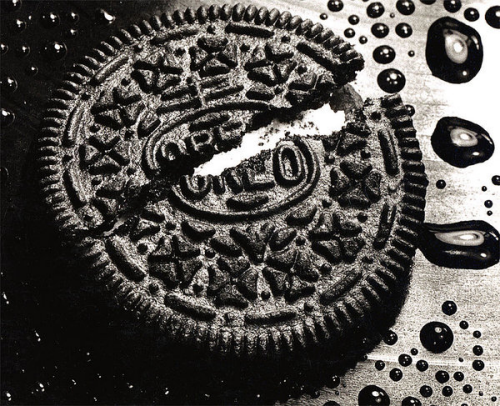
The floor of a fiberglass bathtub is constructed like an Oreo cookie.
It consists of a core, usually press-wood, which is sandwiched between two layers of fiberglass.
Between the bottom layer and the subfloor is a hollow area.
cross section of a bathtub floor
Without support, the area where a person repeatedly stands weakens over time and the tub floor breaks.
~ just like breaking an Oreo cookie
Just like an Oreo cookie that soaks up milk, the core will become soft and squishy and will fall apart.
The core will never regain its strength or rigidity even if it can dry out. The core needs to be replaced.
www.joyofstcroix.com rebuilds broken and cracked bathtub floors
The customer was told that expanding foam would fix the problem
Instead of removing the damaged wood core and repairing the fiberglass, a ridiculous but very common method used by bathtub repair companies is to inject expanding foam and glue on a mat.
What is the "expanding foam and glued-on bathmat" method of repairing a bathtub floor?
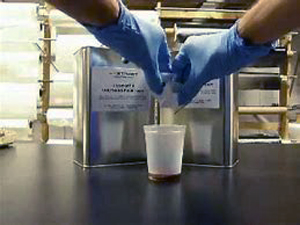
The expanding foam method involves using an expandable urethane foam originally used for flotation devices and taxidermy.
Holes are drilled in the broken floor and the foam is injected in the hope that it will magically expand only where it's supposed to be and provide a solid structural support to the bottom layer of non-repaired fiberglass and the non-repaired core. A two-part urethane adhesive is used to glue a mat onto the floor instead of reglassing the top layer and applying a new texture.
Let's examine a visual inspection of a failed "foam and mat" repair
We'll look at the video first and then take a closer look.
preliminary inspection
The purpose for placing the order was that the floor was weak and spongey where a person would stand to take a shower, and a crack was running from the drain to the front of the unit.
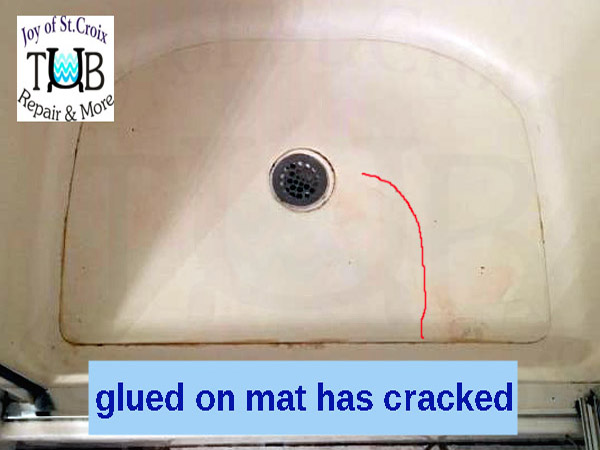
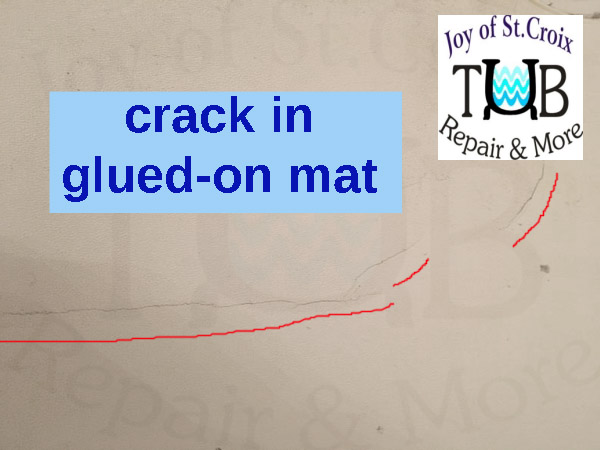
The first thing noticed was the presence of a glued-on mat - suggesting that the magic foam method was used, which unfortunately for the homeowner, turned out to be correct. A closer look at the glued-on mat revealed that it wasn't only cracked but delaminating. The reason for delamination is usually that the floor it's glued to has deteriorated and fallen away, and the crack rather confirms this. Water will have seeped into the delaminated area which will have extended to the original damage that was covered by the glue-on mat thus causing more damage.
the glued on bathmat has cracked
a closer look at the crack in the glued-on bathmat
Note the crack
The bathmat is delaminating from the floor
exploratory inspection
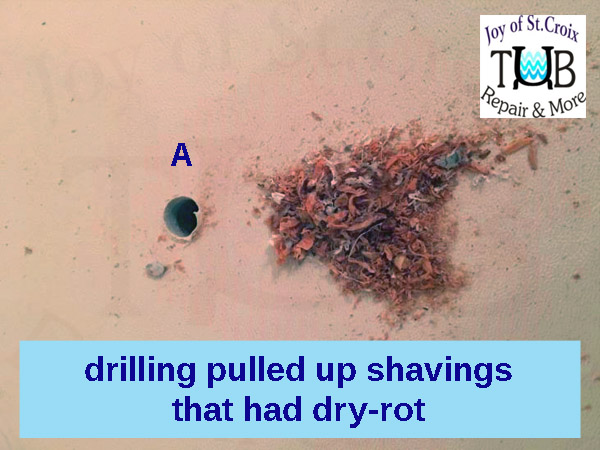
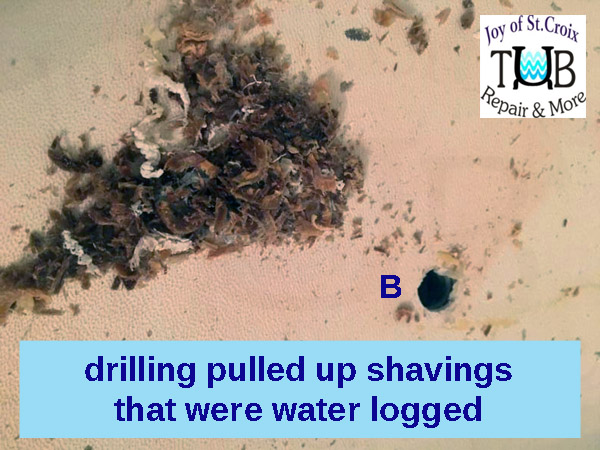
The weak and spongey area had a slight but distinct pinkish discolouration on the glued-on mat. The four corners of the soft and sagging area wass marked out by drilling holes and then cutting out the the marked area. Two holes pulled up wood shavings from the core; one of which was water-logged and one showing dry-rot. Two holes pulled up no shavings at all indicating no core present in those locations.
marking the area to be removed
wood shavings exhibit dry rot
wood shavings exhibit wet rot
the soft and sagging area is marked for removal
invasive inspection
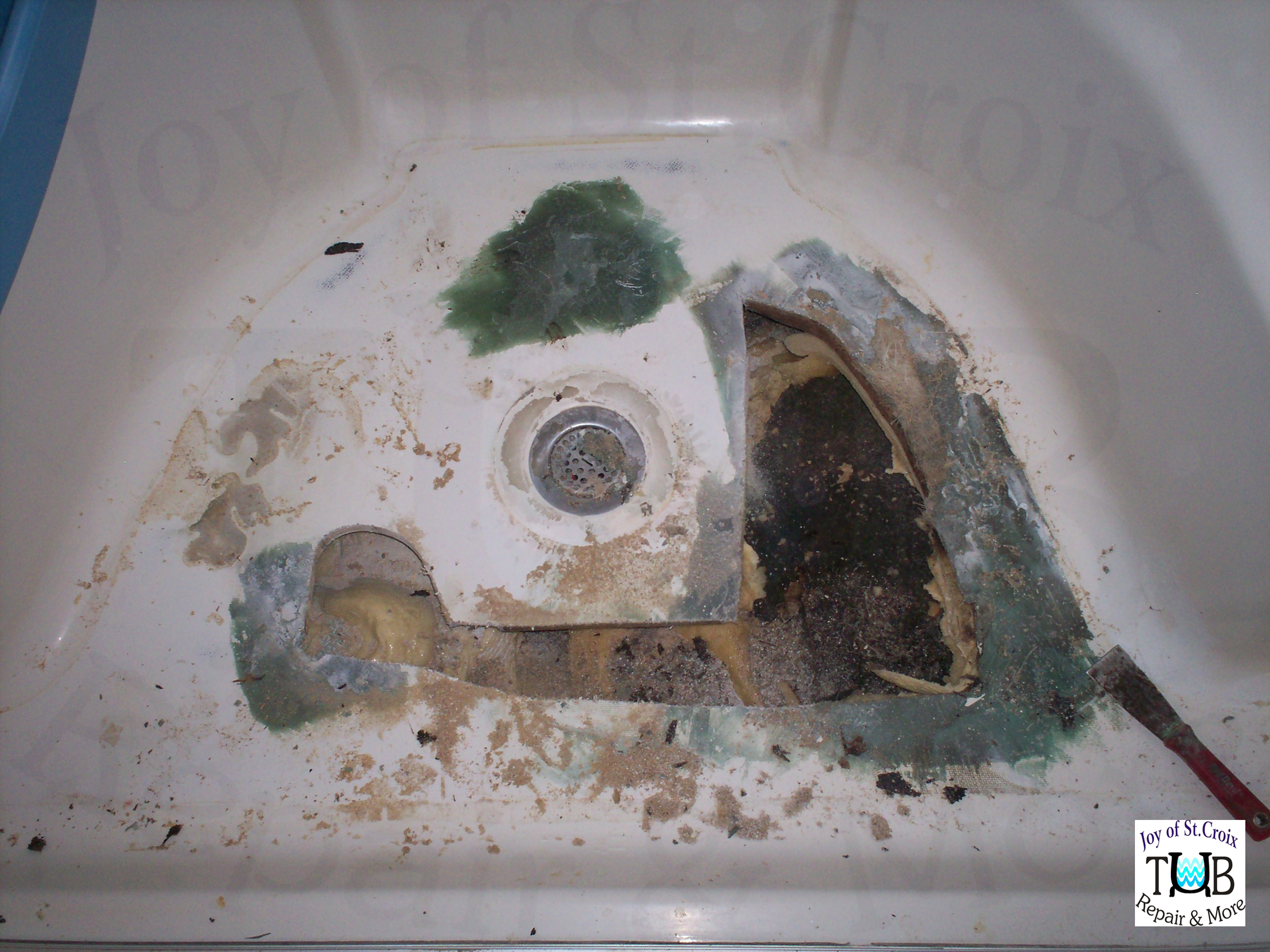
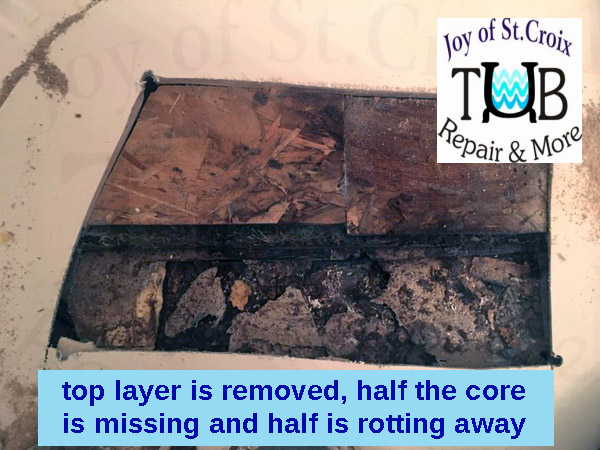
So far we know that the unit is broken and the damaged area needs to be removed in order to determine the extent and possibility of the repair. Holes were drilled at the four corners of the perimeter surrounding the floor's spongey area to remove a section of the floor and expose the subfloor. The top layer of fiberglass, with the mat glued to it, was completely delaminated from the core and lifted straight off. Many composite showers do not have a complete core but are constructed of various pieces of OSB (chipboard); a 12" x 30' area next to the drain running from the rear of the unit to the front was completely missing. The lower layer of fiberglass where the piece was missing was completely disintegrated.
the soft and sagging area is marked for removal
the top layer is removed to reveal the damaged core
the bottom layer of fiberglass lays disintegrated on the subfloor
expanding foam is useless as support
condition of core
The remaining core in the inspection area was removed and examined. The core was completely rotted; dry rot in some areas and water logged in others. The lower layer of fiberglass was stained showing the path of water infiltration and pooling. The cause of the disintegration of the lower layer of fiberglass where the core was missing was the continual pooling of water that wicked in through the cracks in the upper layer of fiberglass that was never properly reglassed. Fiberglass is not water impermeable and will easily disintegrate under constant exposure. Without any support it readily collapsed under its oen weight.
the core was completely rotted
bottom layer of fiberglass shows the path of water infiltration
presence of expanding foam
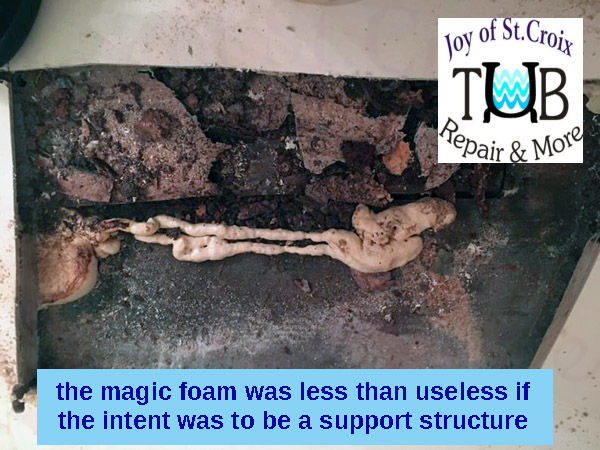
The glued-on mat suggested that expanding foam was used, and unfortunately that was the case. One of the problems with expandable foam is that it's area of expansion is uncontrollable; it just doesn't go where you want it to or stay where it's supposed to. The mystery of why there was no foam around the drain area was solved when we looked under the house to examine the subfloor. They injected foam right out of the subfloor's access hole and into the basement. Another problem is that it acts as a sponge and holds water stagnant. The use of expanding foam in this instance was less than useless as open cell window insulation foam was employed instead of a closed cell flotation or taxidermy foam - it gave absolutely no structural support and was sparse and haphazard. In fact, it probably contributed to the need for replacement because it kept the subfloor wet rather than allowing the water to drain away, thus degrading the subfloor.
the expandable foam was less than useless if the intent was to be a support structure
the injected expandable foam acted as a sponge causing the subfloor to mold and rot
inspection's conclusion
The Inspection's conclusion was that the shower's floor had experienced catastrophic failure. While the shower's floor could be rebuilt the condition of the subfloor was too deteriorated to justify the expense. The final assessment of the Joy of St Croix field crew was that the shower unit be removed and the subfloor be replaced. This unit was deemed ineligible for repair by Joy of St Croix.
Joy of St Croix - Tub Repair and More does not use expanding foam and a glued-on mat.
Joy of St Croix cuts out the damaged area and rebuilds the bathtub floor with support, fiberglass, and new core.
Discover how a bathtub floor is constructed and why it breaks
cracks in fiberglass are caused by tension and compression
Use your phone to compare the damage on the bathtub to repair photos on our site and estimate the cost for repair by the size of the damage
Do I need a ladder
A complete order form assists home builders avoid costly delays and manage social distancing
How tall do you think I am?
Is a ladder needed?
When placing an order for vinyl window repairs through Joy of St Croix's 24 hour online ordering gateway the answers to some important questions on the order form will help you avoid costly delays and manage social distancing expectations on jobsites.
If the repair is above eye level a ladder is required. The added time, tools, safety training, and difficulty in elevated work is different for a 6' A-frame vs. 12' or 16' extension ladders. When you place an order for a Service Item page in our online Shop there are questions about the location of the repair on the property and what type and size of ladder may be required. The related additional fees are calculated and added to the displayed cost of the service.
Home builders, superintendents, and the mobile repair crew all have limited resources to be managed to avoid unnecessary loss of time and money. If the order states "no ladder required" a ladder may not be on the work truck that is assigned to your project. The service personnel may have to proceed to their next scheduled project and the customer will be charged a $45 trip fee. If the service personnel have a ladder they will submit a "revision request" form to the office and wait for the customer's authorisation. If the authorisation is not received in time for the service personnel to keep their next scheduled appointment they will have to leave and the customer will be charged a $45 trip fee.
"Why not just ask someone to borrow a ladder?" is not an acceptable preparation for a professional on a jobsite under normal times let alone during Covid-19 concerns. Proper preparation for your project now involves managing social distance on the jobsite. The more prepared the service personnel are with a complete and accurate work order form in hand the sooner they are off your jobsite. The questions asked about the location of the unit on the jobsite and where the repair is on the unit not only allow the service personnel to quickly locate the designated area, but your answers are on the work order in their possession and designate the area they're scheduled to be in.
Home building professionals know that Time is a costly resource that can't be recovered once it's gone but casually throw it away through lack of preparation. Joy of St Croix provides the professional homebuilder with the online tools to eliminate the costly mistakes and omissions that cause delays and additional charges on the day of the repair appointment. Images and written descriptions assist in accurately identifying and estimating different bathtub and vinyl window repair types and prices to place orders and schedule appointments online 24 hours a day.
Avoid the mistakes and omissions that cause costly delays and additional costs on appointment dates. Enjoy the professionalism of Joy of St Croix's online ordering service. When you use the order form to specify the repair and jobsite details you have a written record of what you want done, where, and when. Each project has "job notes" where communication notices are recorded and your authorised personnel can access and reference online 24 hours a day. Superintendents who are looking at the repair on the jobsite can place orders in the cart for the office personnel to authorise payment and schedule appointment dates for walk throughs and closings.
Examine the online resources at JoyofStCroix.com and waste no more time and money on unprofessional repair companies that don't know enough about the process to know certain questions will have to be answered sooner or later...and that later is too late.
Joy of St Croix - Tub Repair & More https://www.joyofstcroix.com/ "If your bath isn't becoming to you, you should be coming to us"
social distancing on the jobsite
Social distancing saves time and money for the homebuilder with Joy of St Croix
Joy of St Croix online platform makes social distancing as a standard practice more cost effective for the commercial homebuilder
Scheduled Social Distancing or Site Occupancy Management is how a contractor schedules the amount of workers in a space or for how long to prevent respiratory illness.
Contact between the repair crew (who are in multiple bathrooms across the service area) and anyone else is practically unneeded when anything that can be digitised can be done on anyone's smartphone.
Joy of St Croix provides an online photo guide for superintendents, accountants, inspectors, or customers to identify repairs and estimate costs. All done remotely from each other - The order can be placed and scheduled online 24/7 with printable and emailed receipts.
Don't waste time in placing phone calls and hoping they wrote it down correctly - place your order online at joyofstcroix.com/shop/ Your superintendent who is looking right at the repair can place the service item and size into your company's cart. Your office personnel can open the cart for review and deposit payment authorisation. No vague jargon or promises; You have a written receipt and an appointment with supplied instructions.
You receive an email confirming your appointment date and time. You are informed of the names of the field personnel assigned to your project for your Social Distancing planning.
The repair crew texts 30 minutes prior to arriving when scheduled (30min travel window). They either have a prepared access like a code or a preferred contact to escort them. The repair crew performs their task and leaves after clean up and jobsite documentation. The field crew submits their paperwork and the office sends out notice of completion and payment due, if any.
At the end of their scheduled appointments the repair crew can remove contaminated clothing at the studio before heading home in clean clothing.
Our field crew's location specific work papers along with your company's Social Distancing Practices can allow you to limit social contact and reduce surface handling.
Our office crew's online work along with your company's Social Distancing Practices can allow you to limit social contact and stop wasting time and money.
identify repairs onsite or remotely with our photo guide
accurately estimate project costs with our printed prices
Order online 24 hr/365
Online payment in full or deposit
Order form with detail areas for special instructions...
...designate parking, entry and work areas...
...where the repair is on the unit you want addressed...
...and more - printed out and on the worker's clipboard.
Project email logs are accessed in the project jobnotes
24 hr account access to project status and jobnotes
Text alert 30 minutes prior to arrival
Photo and bio of field repair personnel online for site occupancy management and/or residential security
All of our field personnel are trained in safety practices appropriate to their industry and in the equipment and materials used to perform the ordered services.
Joy of St Croix online platform makes social distancing as a standard practice more cost effective for the commercial homebuilder
Scheduled Social Distancing or Site Occupancy Management is how a contractor schedules the amount of workers in a space or for how long to prevent respiratory illness.
Contact between the repair crew (who are in multiple bathrooms across the service area) and anyone else is practically unneeded when anything that can be digitised can be done on anyone's smartphone.
Joy of St Croix provides an online photo guide for superintendents, accountants, inspectors, or customers to identify repairs and estimate costs. All done remotely from each other - The order can be placed and scheduled online 24/7 with printable and emailed receipts.
Don't waste time in placing phone calls and hoping they wrote it down correctly - place your order online at joyofstcroix.com/shop/ Your superintendent who is looking right at the repair can place the service item and size into your company's cart. Your office personnel can open the cart for review and deposit payment authorisation. No vague jargon or promises; You have a written receipt and an appointment with supplied instructions.
You receive an email confirming your appointment date and time. You are informed of the names of the field personnel assigned to your project for your Social Distancing planning.
The repair crew texts 30 minutes prior to arriving when scheduled (30min travel window). They either have a prepared access like a code or a preferred contact to escort them. The repair crew performs their task and leaves after clean up and jobsite documentation. The field crew submits their paperwork and the office sends out notice of completion and payment due, if any.
At the end of their scheduled appointments the repair crew can remove contaminated clothing at the studio before heading home in clean clothing.
Our field crew's location specific work papers along with your company's Social Distancing Practices can allow you to limit social contact and reduce surface handling.
Our office crew's online work along with your company's Social Distancing Practices can allow you to limit social contact and stop wasting time and money.
identify repairs onsite or remotely with our photo guide
accurately estimate project costs with our printed prices
Order online 24 hr/365
Online payment in full or deposit
Order form with detail areas for special instructions...
...designate parking, entry and work areas...
...where the repair is on the unit you want addressed...
...and more - printed out and on the worker's clipboard.
Project email logs are accessed in the project jobnotes
24 hr account access to project status and jobnotes
Text alert 30 minutes prior to arrival
Photo and bio of field repair personnel online for site occupancy management and/or residential security
All of our field personnel are trained in safety practices appropriate to their industry and in the equipment and materials used to perform the ordered services.
Is there lead in my bathtub?
Is there really lead in my bathtub?
• Lead poisoning due to ceramic glazes is rare • The amount of lead that leaches from glazes can vary dramatically and can change depending on usage and maintenance • Utilizing steps listed below may reduce your risk even if you are not sure whether any glazes contain lead • No one has a comprehensive list of all safe and dangerous products
When I began my career as an artist I was too inexperienced to even begin to imagine how much an Art Studio is dependent on Science. I was recently asked by a mother if Joy of St Croix's bathtub refinishing process would effectively block lead in the glaze from leeching into the bath water. The short answer I gave her was "Yes", for the more complete answer I told her that I'd gather the info from the old website and update it then post it toute de suite. So, let's go over some background first. For many decades, it was common to add lead to porcelain enamel glazes as a bonding or pigmenting agent. As a result, lead can still be found in many consumer goods like dishes, ceramic ware, and porcelain fixtures like sinks and bathtubs.
In the 1970’s and 80’s studies started to show that dishes with lead in the glaze could leach lead into foods. In response, the Consumer Products Safety Commission and the Food and Drug Administration set standards for the amount of lead that could be used in products associated with food preparation. Today, most American manufactures have stopped using lead in products like ceramic cooking ware and dishes but unfortunately lead is still found in many foreign imported items.
What are the health risks?
Lead is a toxic heavy metal that can cause serious health problems, especially for children and pregnant women. Young children and infants are much more sensitive to lead because their bodies are still developing. Children will absorb and retain more lead than adults. Elevated levels of lead in children have been linked to increased risks from various problems like learning disabilities, behavioral problems, and impaired coordination.
How does lead get into the body?
In glazes like those found in dishes, lead can leach out of the glaze into food or drinks that are then ingested. Foods with high acid content like orange juice, wine, or tomato-based products can leach significant amounts of lead from glazes. This is especially true for acidic foods that are stored in glazed containers.
Lead found in bathtub glazes
The Vermont Housing & Conservation Board has found that 75% of the tubs tested in pre-1978 housing enrolled in the lead hazard reduction program are positive for lead in the glaze. 40% of the tubs that were positive also were found to have detectable lead on a dust wipe sample, which could indicate a leaching hazard.
Water samples collected from positive tubs, have demonstrated that the hotter and longer water is in contact with the glaze, the more lead leached into the water.
For glazes like those found in tubs and sinks, Lead could also be rubbed off from tub and sink surfaces and end up on wash cloths and toys used during bathing or could leach into bath water, which could be ingested by children.
How do I minimize my risk?
Ask before you buy
Don’t be afraid to ask store managers, suppliers, and manufacturers if their product is lead free. Read labels, some products may be labeled as “decoration only, not for food use” or be listed as “lead-free”. Look for California Prop 65 labels.
Lead in Tubs and Sinks
• Wash dishes in a separate wash tub or basin. • Rinse dishes under running water instead of filling the sink with water • Shower children instead of bathing • Avoid bathing in tubs with deteriorated, cracked, etched, or chalky glazing. • Avoid using harsh abrasive cleansers on glazed surfaces • When bathing, take shorter baths and avoid refilling tubs that have cooled with additional warm water. More lead can leach into water the longer it is in contact with the glaze • Do not let children drink bath water • If children must be bathed in an older tub, place a large plastic bin or container in the tub and fill the container with water instead of the tub • Replace older tubs and sinks • Refinish older tubs and sinks by hiring a professional bathtub refinishing company like Joy of St Croix that uses acrylic or urethane based coatings. • Maintain refinished coatings by repairing chips or gouges to prevent coating failure.
How do I know if my dishes or tub has lead?
test results have come back positive for lead
Dust Wipe testing
Dust samples can be collected from the surface of the glaze of either dishes or tubs, but may or may not detect lead. If the glaze contains lead but is in good shape, a dust wipe probably would not detect any lead. If there were evidence of any dust or chalky residue, a dust wipe sample would likely be able to detect lead. For the most accurate results, dust samples should only be taken by someone who has been properly trained.
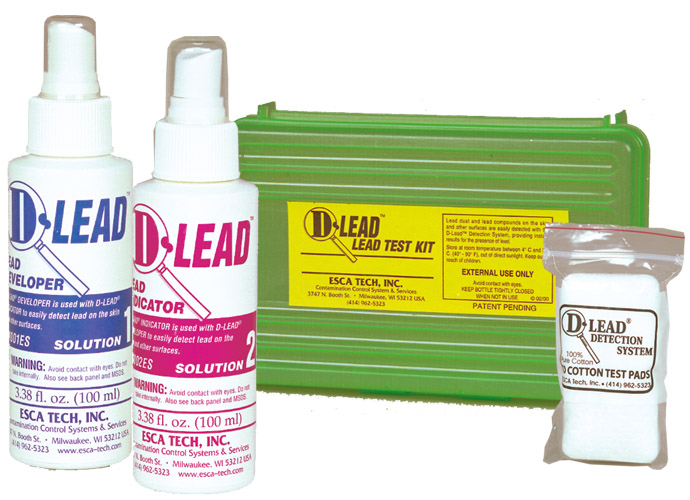
Chemical swabs
Chemical swabs designed to detect lead based paint are inexpensive and seem to be fairly effective at determining the presence of lead in glazes, however smooth intact glazes or glazes with clear coats or other paint or enamels over them may not test positive. Some lead compounds in glazes can also be very stable and do not react quickly with the testing chemical. For best results, find an area that can be roughed up with a small piece of sandpaper and let chemicals sit over night before assessing whether the chemical test has found lead. Remember that chemical testing is not 100% accurate.
To adhere to California’s proposition 65, manufacturers of dishes that have been tested and demonstrate they may leach lead into food are required to put a yellow triangle and warning language on the packaging. see the following web site for more information on this requirement: http://www.aclppp.org/ceramic.htm
Can refinishing a bathtub encapsulate lead?
Manage Cookie Consent
We use cookies to optimize our website and our service.
Functional cookies
Always active
The technical storage or access is strictly necessary for the legitimate purpose of enabling the use of a specific service explicitly requested by the subscriber or user, or for the sole purpose of carrying out the transmission of a communication over an electronic communications network.
Preferences
The technical storage or access is necessary for the legitimate purpose of storing preferences that are not requested by the subscriber or user.
Statistics
The technical storage or access that is used exclusively for statistical purposes.The technical storage or access that is used exclusively for anonymous statistical purposes. Without a subpoena, voluntary compliance on the part of your Internet Service Provider, or additional records from a third party, information stored or retrieved for this purpose alone cannot usually be used to identify you.
Marketing
The technical storage or access is required to create user profiles to send advertising, or to track the user on a website or across several websites for similar marketing purposes.